The Proto-Koan
What is a proto-koan? Discover the difference between the raw encounter and the structured riddle, and why it matters for your practice.
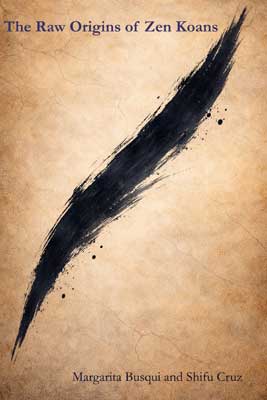
Read Article →We often imagine koans as paradoxical riddles designed to break the mind. But before they became structured puzzles, they were something far more raw: direct encounters. This first volume explores the "proto-koans"—the spontaneous interactions between masters and disciples in the early days of Chan and Zen. Here, enlightenment is not a solution to a logical problem, but a presence to be recognized.
Why "Genealogy of Doubt"? Because in Zen, doubt is not an enemy to be defeated, but the very fuel of awakening. The Great Doubt (Daigi) is the intense tension that arises when our concepts fail us. This book traces the lineage of that doubt—not as skepticism, but as a profound questioning that strips away illusions. By returning to these original sources, we discover that uncertainty is not a flaw in our practice, but the door through which clarity enters.
The proto-koans remind us that truth existed before language. A gesture, a shout, a simple question in the midst of daily work—these are the original expressions of Zen. For the modern reader, overwhelmed by information, this return to immediate experience is liberating. It teaches us to stop commenting on life and start living it. These pages are not just translations; they are invitations to sit, breathe, and question.
What is a proto-koan? Discover the difference between the raw encounter and the structured riddle, and why it matters for your practice.
Read Article →Exploring the concept of Great Doubt (Daigi). Why doubt is not the enemy of faith, but the fuel of awakening.
Read Article →How do you translate the spirit of Zen? A look at the collaborative process behind bringing these ancient voices to English.
Read Article →